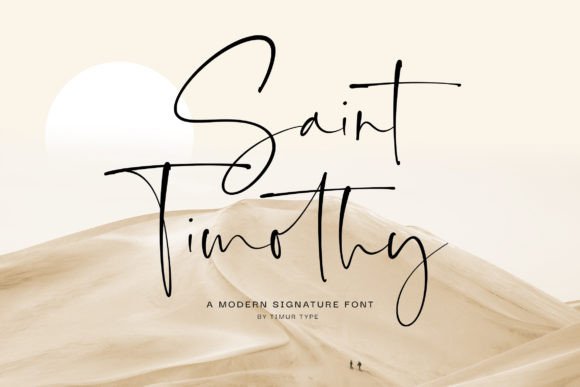
Saint Timothy: Elegant Typography for Modern Design
Imagine a typeface that feels both intimately personal and professionally polished, instantly elevating any project with a touch of handwritten sophistication. That is the unique charm of Saint Timothy, a font that has become a beloved asset for designers seeking to inject elegance and authenticity into their visual communication. Its carefully crafted letterforms offer a stunning handwritten touch that resonates across a multitude of applications.
The Essence of Saint Timothy in Graphic Design
At its core, Saint Timothy is more than just a script font; it is a tool for effective visual storytelling. In the crowded landscape of digital and print media, standing out requires a distinct voice. This typeface provides that voice through its balanced rhythm and graceful curves, which guide the viewer's eye with a natural flow. For graphic designers, it serves as a bridge between traditional calligraphy and modern aesthetics, offering the warmth of a human touch with the precision needed for professional branding and design workflow.
Its relevance today stems from the growing demand for authenticity in brand identity. Consumers connect with brands that feel genuine and approachable. Saint Timothy helps achieve this by adding a layer of personality and trustworthiness to logos, business cards, and packaging design. It communicates care and attention to detail, which are crucial elements in building a strong, recognizable brand.
Practical Applications Across Creative Projects
The versatility of Saint Timothy is one of its greatest strengths. It seamlessly adapts to various contexts, ensuring a cohesive yet dynamic visual experience. Here are key areas where this font excels:
- Branding and Logo Design: Create memorable logos and wordmarks that convey elegance and heritage. Its legibility at various sizes makes it ideal for applications from signage to social media avatars.
- Marketing Materials: From brochure headers to email campaign headlines, Saint Timothy adds a compelling focal point that improves engagement and click-through rates.
- Social Media Content: Design Instagram quotes, Facebook covers, and Pinterest pins that stop the scroll. The font's inherent charm boosts shareability and visual appeal.
- Website and UI Design: Use it for hero text, call-to-action buttons, or decorative accents to enhance user experience (UX) with a touch of sophistication without compromising readability.
- Editorial and Packaging Design: In magazines, book covers, or product labels, it adds a premium, artisanal quality that elevates the perceived value of the content or product.
- Digital Products and Presentations: Make slide decks, e-books, and online courses more engaging with headers and highlights that feel personal and professional.
Tips for Effective Implementation
To maximize the impact of Saint Timothy, consider these design principles:
- Pair with Complementary Fonts: Balance its expressive style with a clean, neutral sans-serif or serif font for body text. This maintains visual hierarchy and ensures overall readability.
- Mind the Context: While perfect for invitations and greeting cards, assess its suitability for dense text blocks. It shines brightest in headings, quotes, and short impactful phrases.
- Ensure Scalability: Test the font at different sizes to guarantee clarity, especially for digital applications where small screen rendering can be a challenge.
- Align with Brand Voice: Verify that the font's personality aligns with your brand's tone—is it romantic, classic, or whimsical? Consistency in typography reinforces brand identity.
- Use High-Quality Files: Source the font from reputable foundries to ensure you have all necessary licensing for your creative projects, from web use to print design.
Thoughtful design choices are the foundation of powerful visual communication. Selecting a typeface like Saint Timothy is not merely an aesthetic decision but a strategic one that influences how your audience perceives and interacts with your message. By integrating high-quality creative assets into your design process, you invest in clarity, emotional connection, and a polished professional presentation that truly stands out.