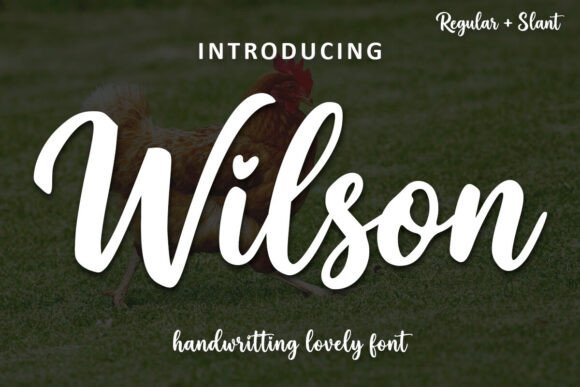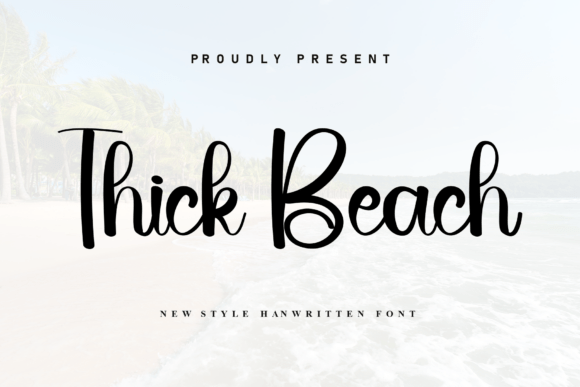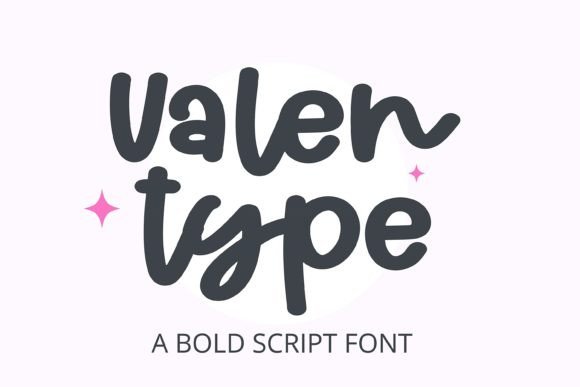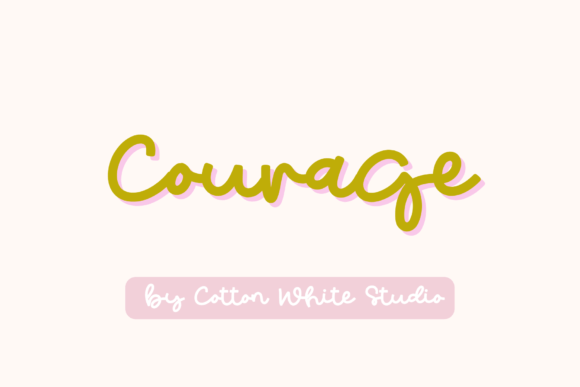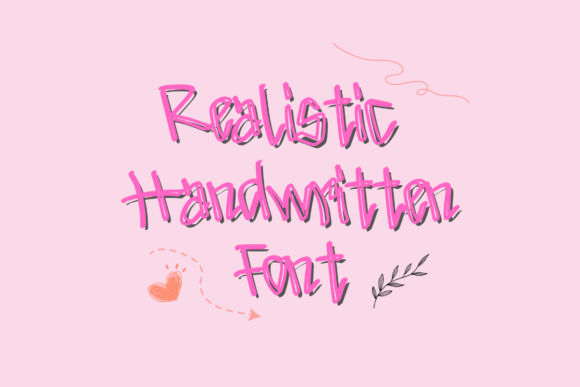
Realistic Handwritten: The Font That Feels Authentic
In a world saturated with sterile digital interfaces and uniform typefaces, the human touch has become a premium design asset. This is where a font like Realistic Handwritten steps in, offering an immediate bridge between digital precision and organic warmth. More than just a collection of glyphs, it’s a carefully crafted tool designed to inject personality, approachability, and a distinct visual voice into any project, transforming standard layouts into engaging narratives.
From a graphic design perspective, typography is the backbone of visual communication. The choice of font dictates tone, influences readability, and directly impacts brand perception. A realistic handwritten style, when executed well, does something powerful: it mimics the nuanced imperfections of human penmanship—the slight variations in stroke, the casual baseline, the personal flair. This authenticity builds an instant emotional connection with the viewer, making messages feel more personal, trustworthy, and relatable. It’s a strategic tool for breaking down the fourth wall in digital marketing and creating a cohesive, human-centric brand identity.
Practical Applications for Modern Design
The versatility of a well-designed handwritten font like Realistic Handwritten allows it to enhance a wide array of creative projects. Its playful yet neat aesthetic makes it a flexible asset across different mediums and industries.
Strengthening Brand Identity & Marketing
For brands aiming to project friendliness, creativity, or artisanal quality, this font style is invaluable. It can be used for:
- Logo Design & Wordmarks: Creating a distinctive, memorable logo that feels personal and bespoke.
- Packaging Design: Adding a charming, handcrafted feel to product labels, boxes, and tags, which is particularly effective for food, cosmetics, and lifestyle brands.
- Advertising Campaigns: Crafting headlines or call-to-action phrases in social media graphics or print ads that grab attention and feel conversational.
- Editorial & Print Design: Highlighting pull quotes, subheadings, or annotations in magazines, brochures, and posters to guide the eye and add visual interest.
Enhancing Digital & User Experience
In the digital realm, this font style serves as a key tool for improving user engagement and visual hierarchy. Its applications are vast:
- Website & UI Design: Used sparingly for section headers, button text, or decorative elements to soften a corporate interface and guide user flow in a friendly manner.
- Social Media Content: Making quotes, announcements, and stories stand out in a crowded feed, fostering a sense of community and direct communication.
- Digital Products & Presentations: Transforming standard slide decks, e-books, or online course materials into more engaging and memorable learning experiences.
Integrating Typography Thoughtfully into Your Workflow
While the charm of a handwritten font is clear, its effectiveness hinges on strategic implementation. Here are key considerations for designers and creators:
- Balance is Paramount: Never pair a decorative handwritten font with another ornate typeface. The visual hierarchy is maintained by coupling it with a clean, highly legible sans-serif or serif font for body text. This contrast ensures readability while allowing the handwritten style to shine in accents.
- Context is Key: Evaluate your audience and goals. A font like Realistic Handwritten is perfect for brands in creative, lifestyle, or education sectors. It may be less suitable for formal, technical, or luxury brands where tradition and authority are conveyed through more classic typefaces.
- Consider Scalability & Compatibility: Test the font at various sizes to ensure it remains legible, especially for smaller UI text. Also, verify its compatibility with your existing color palette and overall design system to maintain brand consistency across all touchpoints.
Ultimately, selecting a typeface like Realistic Handwritten is a deliberate choice to prioritize human connection in your design. It’s a testament to how thoughtful typography can elevate a project from merely functional to genuinely engaging. By leveraging such quality creative assets, designers can craft experiences that are not only visually polished but also emotionally resonant, ensuring the message is not just seen, but felt.