Morning Doodle: Infusing Energy and Authenticity into Your Design Projects
Imagine capturing the spontaneous joy of a fresh morning sketch and translating it directly into your professional design work. This is the core appeal of the Morning Doodle typeface, a playful, chunky handwritten font engineered to inject a fresh, cheerful, and energetic vibe into modern visual communication. In an era where digital perfection can sometimes feel sterile, this font offers a necessary counterbalance—a human touch that feels warm, friendly, and full of personality. For graphic designers, marketers, and brand builders, understanding how to leverage such expressive typography is key to creating work that resonates emotionally and stands out in a crowded visual landscape.
The Anatomy of a Cheerful Typeface
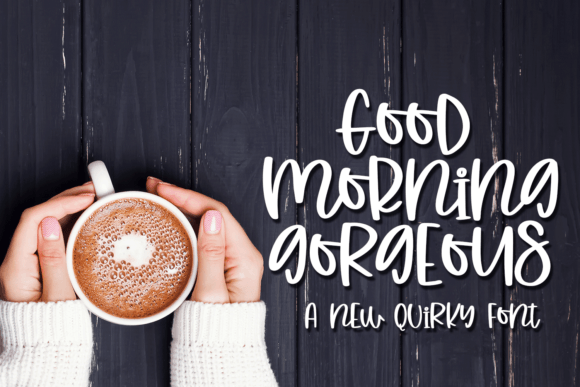
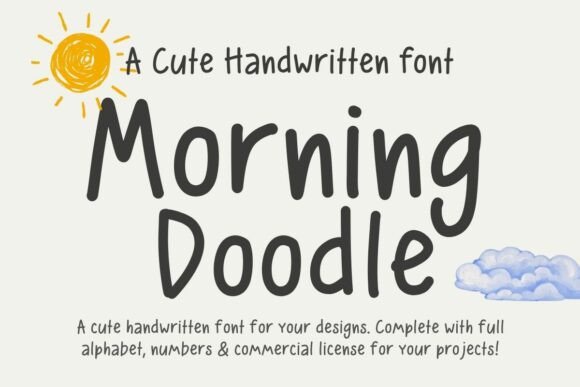
Morning Doodle is defined by its bold monoline structure and soft, rounded strokes. Unlike rigid sans-serifs or traditional serifs, its letterforms feature slightly imperfect shapes and a lively rhythm that mimics the natural pressure of a pen on paper. This design choice is not accidental; it is a strategic tool in visual hierarchy. The thick, bouncy characters command attention immediately, making them ideal for headlines, titles, and display text. However, despite its boldness, the font maintains high readability due to its clear spacing and familiar letter structures, ensuring that the message is communicated effectively without sacrificing style.
Why Texture Matters in Modern Branding
In contemporary brand identity design, texture and personality are becoming increasingly valuable. Brands are moving away from overly corporate aesthetics in favor of approaches that feel more authentic and relatable. Morning Doodle fits perfectly into this trend. By using this font, designers can bridge the gap between professional polish and casual warmth. It signals to the audience that a brand is approachable, creative, and perhaps a bit playful. This is particularly vital in UX design and UI design, where creating a welcoming atmosphere can significantly improve user engagement and retention.
Practical Applications Across Creative Projects
The versatility of Morning Doodle allows it to enhance a wide array of creative assets. Its bold nature ensures it scales well across different media, from large format print design to small digital screens. When integrated into a design workflow, it can solve specific communication challenges while elevating the overall aesthetic.
- Branding and Logo Design: It serves as an excellent choice for businesses targeting younger demographics, families, or the creative sector. A logo set in Morning Doodle feels instantly accessible and memorable.
- Packaging Design: On shelves, this font helps products pop. It is particularly effective for food packaging, artisanal goods, or children’s products where a "handmade" or "fun" quality is a selling point.
- Social Media Graphics: In the fast-scrolling environment of digital marketing, bold typography is essential. Morning Doodle grabs attention instantly, making it perfect for quotes, announcements, and promotional banners.
- Editorial and Web Design: Use it sparingly in web design to highlight key information or break the monotony of body text. It adds a splash of personality to blog headers or magazine layouts without overwhelming the reader.
Strategic Integration: Balancing Fun with Function
While Morning Doodle brings immense energy, a successful professional presentation relies on balance. When using expressive fonts, it is crucial to consider the color palette and supporting typography. Pairing Morning Doodle with a clean, neutral sans-serif can create a dynamic contrast that guides the viewer's eye effectively. This combination ensures that the design remains organized and legible while still showcasing a strong personality.
Furthermore, designers should evaluate the context of the project. For invitations, greeting cards, and crafts, the font can be used more liberally to create a festive atmosphere. However, for more formal advertising campaigns or corporate presentations, it should be reserved for accent text or call-to-action buttons to maintain a sense of professionalism.
Conclusion
Ultimately, the tools a designer chooses define the story they tell. Incorporating a resource like Morning Doodle into your toolkit allows you to tap into a visual language of positivity, creativity, and spontaneity. It reminds us that design doesn't always have to be serious to be effective; sometimes, the most powerful connections are made through a simple, joyful doodle. By thoughtfully applying such design trends