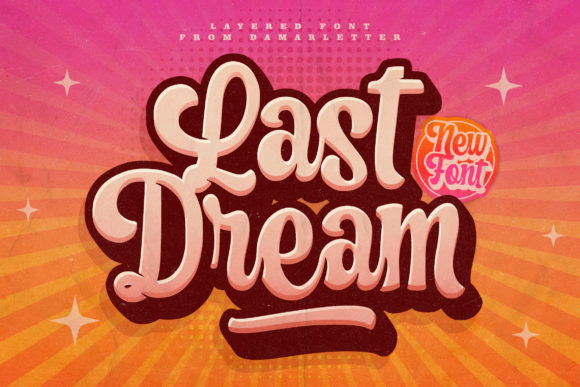
Last Dream: A Bold, Handwritten Font for Impactful Design
In a digital landscape saturated with sleek, minimalist typefaces, finding a font that exudes genuine character and confidence can be a game-changer. This is where Last Dream enters the scene—a bold, thick-lettered, handwritten font with a distinctly vintage flair. Its strong, expressive letterforms aren't just letters; they're a statement, designed to inject warmth, personality, and a touch of nostalgia into any creative project. For designers and brands seeking to break through visual noise, understanding the power of such a typeface is key to effective visual communication.
Why Typography Choice Matters in Modern Design
Typography is the voice of your design. The font you select directly influences how your message is perceived, impacting everything from brand identity to user engagement. A typeface like Last Dream, with its handwritten texture and bold presence, serves a specific purpose in your design toolkit. It excels where a personal, approachable, or retro-modern aesthetic is desired. Unlike neutral sans-serifs, it carries inherent emotion, making it a powerful asset for creating memorable connections.
When evaluating any creative asset, consider its role within your broader visual hierarchy. A bold, decorative font like Last Dream is not typically for body copy. Its strength lies in headlines, logos, and accent text where it can command attention without sacrificing readability at appropriate sizes. Its vintage styling taps into current design trends that favor authenticity and handcrafted quality, offering a counterpoint to overly digital perfection.
Practical Applications for a Bold Handwritten Font
The versatility of a font like Last Dream allows it to shine across numerous applications, provided it's used strategically. Here’s how it can elevate various creative projects:
- Branding and Logo Design: Perfect for creating logos that feel personal, artisanal, or rooted in tradition. It works well for boutiques, craft breweries, lifestyle blogs, or any brand wanting a human touch.
- Marketing & Social Media Graphics: Ideal for eye-catching headlines on posters, flyers, Instagram stories, or Facebook ads. Its thick strokes ensure visibility even in fast-scrolling feeds.
- Packaging & Product Design: Adds a handcrafted, premium feel to product labels, especially for gourmet foods, cosmetics, or specialty goods.
- Editorial & Web Design: Use it sparingly for pull quotes, section headers, or hero text on websites to create a focal point and guide the user's eye.
- Digital Products & Merchandise: Excellent for designing unique assets like e-book covers, printable art, or branded merchandise (t-shirts, mugs) where standout text is crucial.
Integrating Last Dream into Your Design Workflow
To use a distinctive font like Last Dream effectively, thoughtful integration is essential. Always pair it with a cleaner, more neutral typeface for body text to maintain readability and balance. Consider your color palette; the font often works best with earthy tones, muted pastels, or classic black and white to complement its vintage character.
- Test for Scalability: Ensure the font remains legible at both the small sizes needed for some UI elements and the large sizes used for posters.
- Maintain Consistency: Define clear brand guidelines for where and how to use the font to ensure a cohesive visual identity across all touchpoints.
- Respect the Audience: Align the font's personality with your target audience's expectations. Its nostalgic charm may not suit a cutting-edge tech startup but could be perfect for a heritage brand.
Ultimately, the most successful designs are built on intentional choices. Selecting a creative asset like Last Dream isn't just about aesthetic preference; it's a strategic decision to enhance storytelling and emotional resonance. By pairing such expressive typography with a strong understanding of composition, color theory, and user needs, designers and creators can craft visuals that are not only beautiful but also deeply effective. In the end, the right design elements do more than decorate—they communicate, connect, and elevate the entire user experience.